
Evidence based resilience, regulation & emotional wellbeing programmes
that give children the tools, strategies and confidence to navigate life now and in the years ahead. Accredited training trusted by schools, practitioners and communities across the UK and Europe.
Buriton Primary School
Wadham Secondary School
Tuition, Medical & Behaviour Support Service (TMBSS) Shropshire
Hambledon Primary School
Faregos Home Education Centre
St John's Catholic Primary School
Kings Arms Youth Project
Steep Primary School
Buriton Primary School Wadham Secondary School Tuition, Medical & Behaviour Support Service (TMBSS) Shropshire Hambledon Primary School Faregos Home Education Centre St John's Catholic Primary School Kings Arms Youth Project Steep Primary School
Children often show what they need through their behaviour: quiet, loud, shy, disruptive - in all forms.
Our programmes are for everyone because mental health and emotional wellbeing matter.
PTR is a preventative programme, offering practical and simple tools to avoid crisis and its longer-term impact. Building the foundations to prepare children for modern life. Teaching children how to recognise their emotions, regulate themselves and know when to ask for help. Not waiting for the crisis, then playing catch up.
The skills they build now stay with them, through teenage years and into adulthood. The tools children learn today become the foundation they stand on tomorrow.
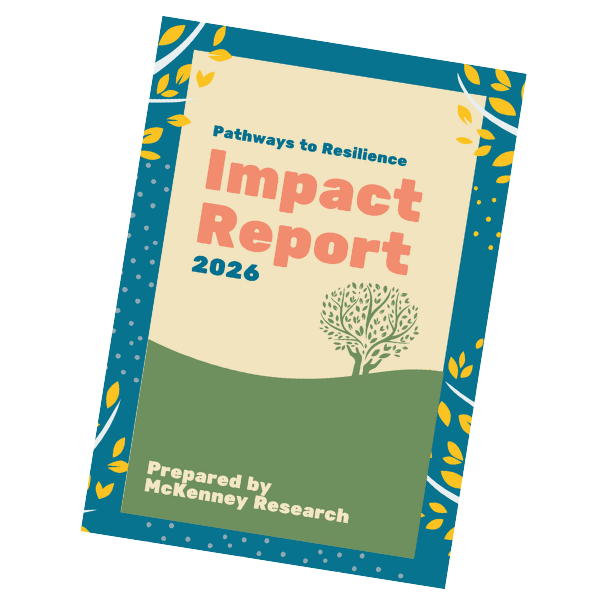
We are passionate about reaching children before things become too much, not afterwards. Read our impact report, 289 children and 273 adults over 4 years in 24 schools and settings, to understand how this programme works as prevention and intervention.

Why PTR exists and what it stands for
We are a team of educators, therapists and breathworkers passionate about giving children the tools and skills they need for resilience, regulation and emotional wellbeing to help them:
engage in education for better outcomes
develop a secure sense of self
feel connected and a sense of belonging in their community
thrive and live a fulfilling life
Children today are growing up in a world that presents new and increasing challenges to their emotional wellbeing and resilience. This generation, more than any before, is experiencing increased screen time, fewer opportunities for real-world interaction, greater exposure to social media and global anxieties, and are feeling the impact of isolation during lockdowns in their developmental years. Together, these factors contribute to less creative play, fewer opportunities to develop problem-solving skills and meaningful connections, and a distorted sense of reality in which life is expected to feel easy and normal struggles can somehow feel unacceptable.
We believe children need opportunities to consciously develop the skills, confidence and emotional strength to navigate life’s challenges and that building resilience is something we can actively teach, practise and nurture.

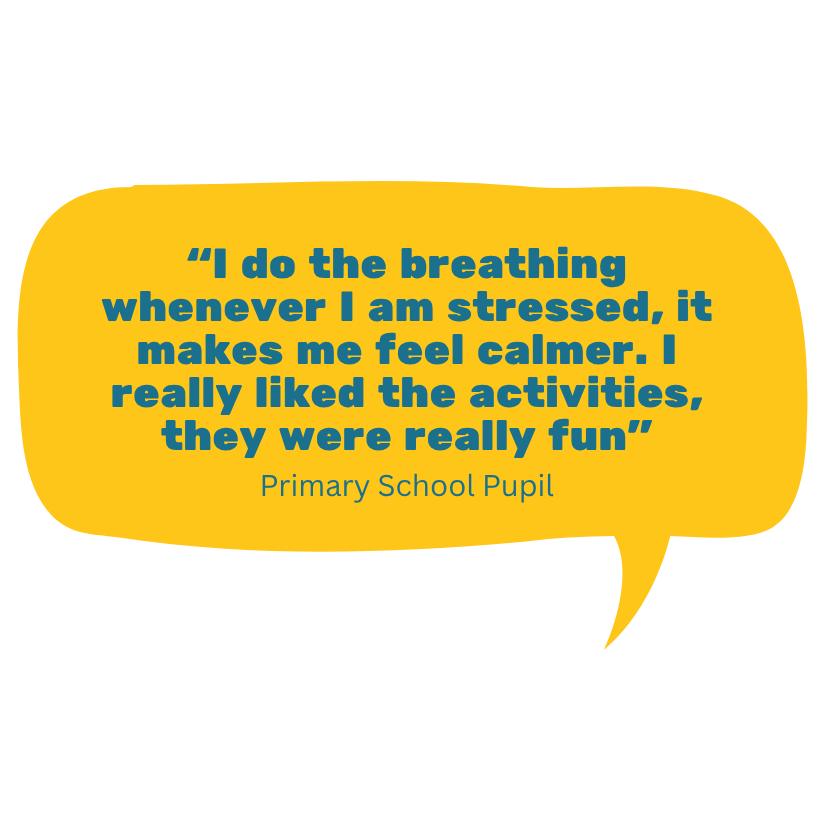
WHAT THE CHILDREN ARE SAYING:
PTR Schools & Facilitators in action
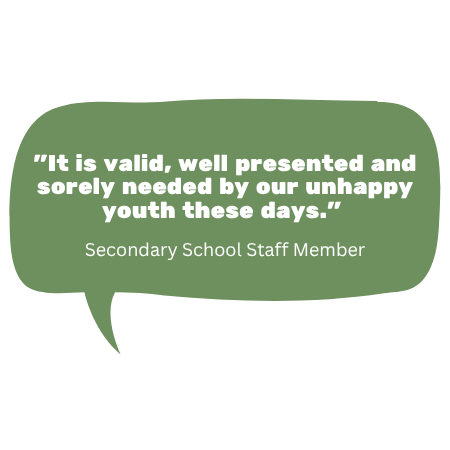
WHAT THE SCHOOLS & STAFF SAY:
The world children are growing up in today, looks different from the ones previous generations navigated
The pandemic accelerated what was already shifting. According to NHS England, 20.3% of 8 to 16-year-olds now have a probable mental health disorder, nearly double the figure recorded in 2017. One in five children.
PTR exists because emotional wellbeing shouldn’t wait for a crisis. Since 2021, children who have been through PTR programmes have told us about vastly improved sleep, less anger and greater tolerance, of frustration, of siblings and of difficulty. For those who were struggling, a renewed ability and willingness to attend school.
Parents and carers have noticed the difference too. The earlier children develop the tools to understand and regulate their emotions, the better equipped they are. Not just for childhood, but for everything that follows.